Empowering Cancer Journeys: Your Essential Guide to Oncology and Survivorship
Navigating the oncology landscape can feel like embarking on an uncharted journey. With so many twists and turns, understanding cancer care is crucial for patients and their families. Fret not; you are not alone. This guide will help demystify the world of oncology and provide you with the health information necessary to advocate for yourself or your loved ones. As the famous saying goes, "The journey of a thousand miles begins with one step." Taking that step toward understanding your cancer journey can have a profound impact on survivorship.
First things first: what exactly is oncology? Simply put, oncology is the branch of medicine that specializes in the diagnosis, treatment, and management of malignant diseases, commonly referred to as cancer. An oncologist is a medical professional who specializes in this field. When facing a cancer diagnosis, it’s essential to establish a relationship with an oncologist who resonates with you. Their expertise in cancer care will guide you through treatment options, including chemotherapy, radiation, and potential clinical trials. Have you ever thought about the crucial role that patient education plays in your journey?
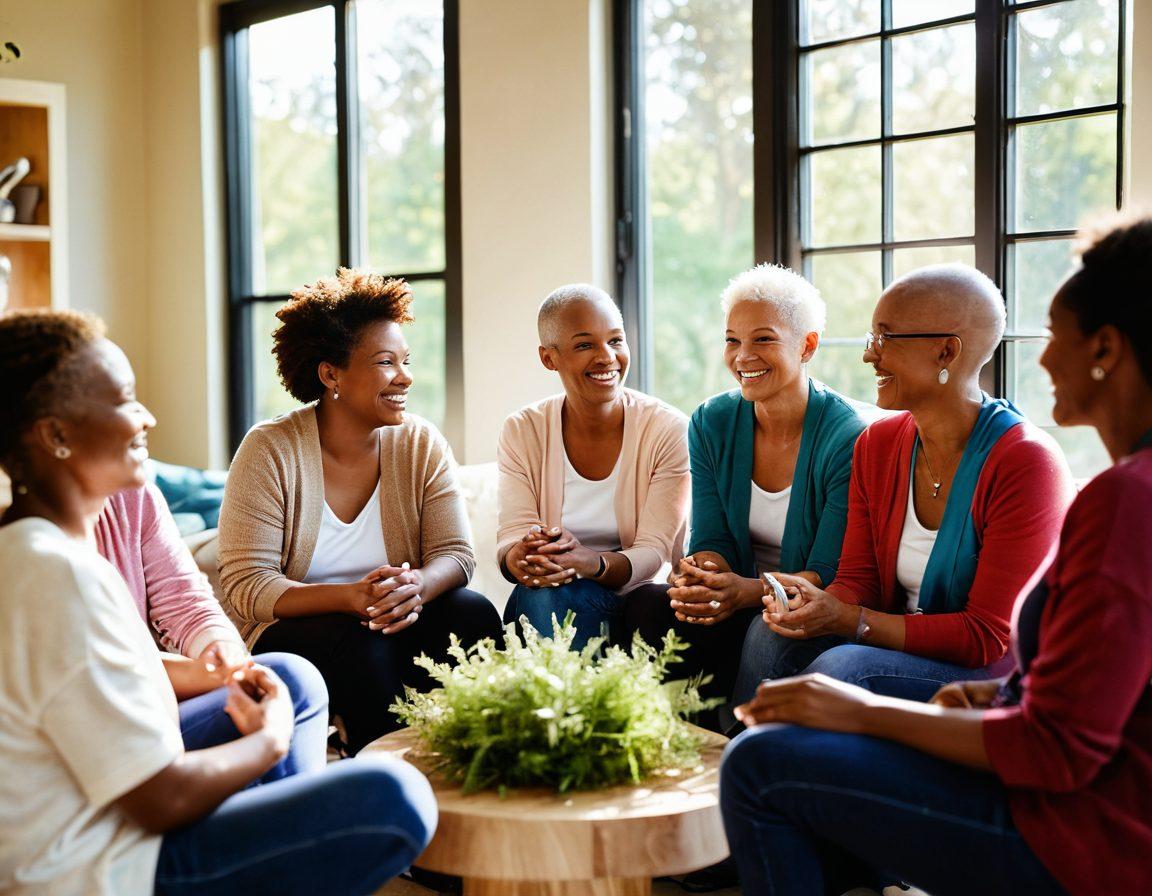
One widely recognized aspect of navigating oncology is understanding the available cancer resources. There is an abundance of information floating around, but finding trustworthy cancer resources can feel overwhelming at times. From support groups to wellness programs, these resources not only provide crucial health information, but also serve to foster a sense of community. Engaging with others on similar cancer journeys can lighten the emotional load and give you the encouragement you need. As you gather these resources, ask yourself: which ones resonate with your personal needs and values?
In addition to conventional treatments, alternative therapies have gained popularity among cancer patients seeking holistic health approaches. Integrating alternative therapies—like acupuncture, yoga, or herbal supplements—into your cancer care plan can enhance your overall wellness and improve your quality of life. But always remember, communication with your oncologist about these complementary options is essential. Balancing traditional treatments with alternative therapies can be a game-changer on your path to survivorship. How have you prioritized your well-being while navigating your cancer journey?
Lastly, let’s discuss the significance of survivorship and community support. Cancer journeys don’t end after treatment; in fact, they often transition to a new phase of life characterized by survivorship. Emphasizing cancer prevention and ongoing health awareness should remain at the forefront of your attention. Share your story, connect with fellow survivors, and don’t shy away from supporting those who may be currently battling the disease. After all, survivor stories can be a beacon of hope for those who feel lost in their cancer journeys. What inspiration can you draw from others as you continue navigating this landscape?
Survivorship Strategies: Empowering You Beyond the Diagnosis
Survivorship is not merely the absence of a malignant disease, but a vibrant journey filled with hope, resilience, and empowerment. After you hear the words ‘You have cancer,’ a whirlwind of emotions ensues, creating a complex map of fear, anxiety, and uncertainty. Yet as you transition into survivorship, it becomes essential to navigate this map with intention. How do you move forward, transform your narrative, and reclaim your health? This guide on survivorship strategies will share powerful tools and insights that empower you beyond the diagnosis, helping you to write your own survivor story. It’s your turn to take charge of your cancer journey!
An onslaught of health information can leave anyone feeling overwhelmed, and understandably so. There’s a plethora of cancer resources available, from oncology to support groups focused on patient education. The challenge lies in discerning what information truly resonates with your unique situation. Rather than feeling lost in the sea of clinical trials or alternative therapies, think about what aligns with your values and wellness goals. Remember, you are the driver of your health, and having clear, actionable strategies is essential. What steps can you incorporate today to support your journey in cancer care?
As you delve into survivorship, consider embracing a holistic health approach. This means acknowledging that healing isn't just a physical journey; it encompasses the emotional and spiritual dimensions of your life as well. Perhaps you could explore mindfulness practices like yoga or meditation that help connect your mind and body while providing relaxation and stress relief. Survivor stories highlight the importance of community support and shared experiences. Have you thought about reaching out to others who have walked the same path? Building connections can provide invaluable emotional sustenance.
Wellness is a personal tapestry woven from various threads—nutrition, exercise, mental health, and social connections all play pivotal roles in your survivorship journey. For instance, eating healthy can serve as a form of cancer prevention, bolstering your body’s defenses against any recurrence. Chanting the mantra, ‘You are what you eat,’ could never ring truer during this time. Are you considering small dietary changes or physical activities that resonate with you? Every little effort counts and can dramatically impact your overall well-being.
Lastly, never underestimate the power of storytelling in cancer journeys. Sharing your battles and victories creates a ripple effect of inspiration for others fighting similar struggles. Your experiences can enlighten those seeking health awareness and cultivate community support at a time when connection feels vital. Have you thought about starting a blog or participating in survivor forums? You never know how your voice can uplift someone else while creating a sense of belonging in this extraordinary journey. Remember, survivorship is not an end; it is a continuous evolution of self-discovery and empowerment, and you are at the forefront of this narrative.
From Patient to Advocate: Building a Supportive Community on Your Cancer Journey
Journeying through cancer is no small feat. It transforms lives in ways that are often unimaginable. Cancer care is a tangled web of emotions, treatments, and a search for answers that often feels relentless. Yet, an often-overlooked part of this journey is how we can transition from being a patient to becoming an advocate, not just for ourselves, but for others walking the same path. As we rally together, we create a supportive community where survivor stories can flourish and health awareness can thrive. Have you ever wondered how your personal experiences with oncology can empower someone else?
In the realm of oncology, the stories shared between patients have the potential to illuminate the darkest days. Advocacy doesn’t just happen in boardrooms or government; it starts with a conversation—a shared moment of vulnerability. By participating in support groups, attending cancer resource workshops, or even engaging in local health information forums, patients can build a community of support. This is where holistic health approaches and alternative therapies can be explored and shared, providing immense benefits in cancer prevention and survivorship. What local organizations have you found to be valuable resources in your journey?
Consider the perspective shift that occurs when a cancer patient decides to become an advocate. This transition isn’t just about sharing personal experiences but about fighting for greater access to information, better treatment options, and more inclusive patient support systems. Advocacy creates ripples of change. For instance, clinical trials become more accessible as survivors share their insights, creating a bridge between healthcare providers and patients. It's about standing up and saying, 'We deserve comprehensive cancer care and honest conversations about our health.' What changes do you wish you could advocate for in your community?
Moreover, building a supportive community extends beyond informal conversations; it finds its roots in structured programs and initiatives. These can range from survivor-led educational seminars that disseminate invaluable patient education to events that focus on health awareness in local hospitals. When experienced advocates step into leadership roles, they can inspire others to share their survivor stories, which can be profound sources of hope and motivation for those currently battling malignant disease. Have you been inspired by someone’s journey, prompting you to take steps towards building a similar community?
Ultimately, the essence of moving from patient to advocate lies in empowerment. It requires courage to not only share our battles with tumors and scans but also to harness these experiences into tools for education and community strength. The cancer journey is not fought alone; it is a collective effort that can lead to breakthroughs in how we understand, treat, and survive this disease. Let's embrace the healing power of community support, empowering one another through our challenges and triumphs. What steps will you take today to contribute to the evolving story of cancer advocacy?